



Why Choose Us
Customized services
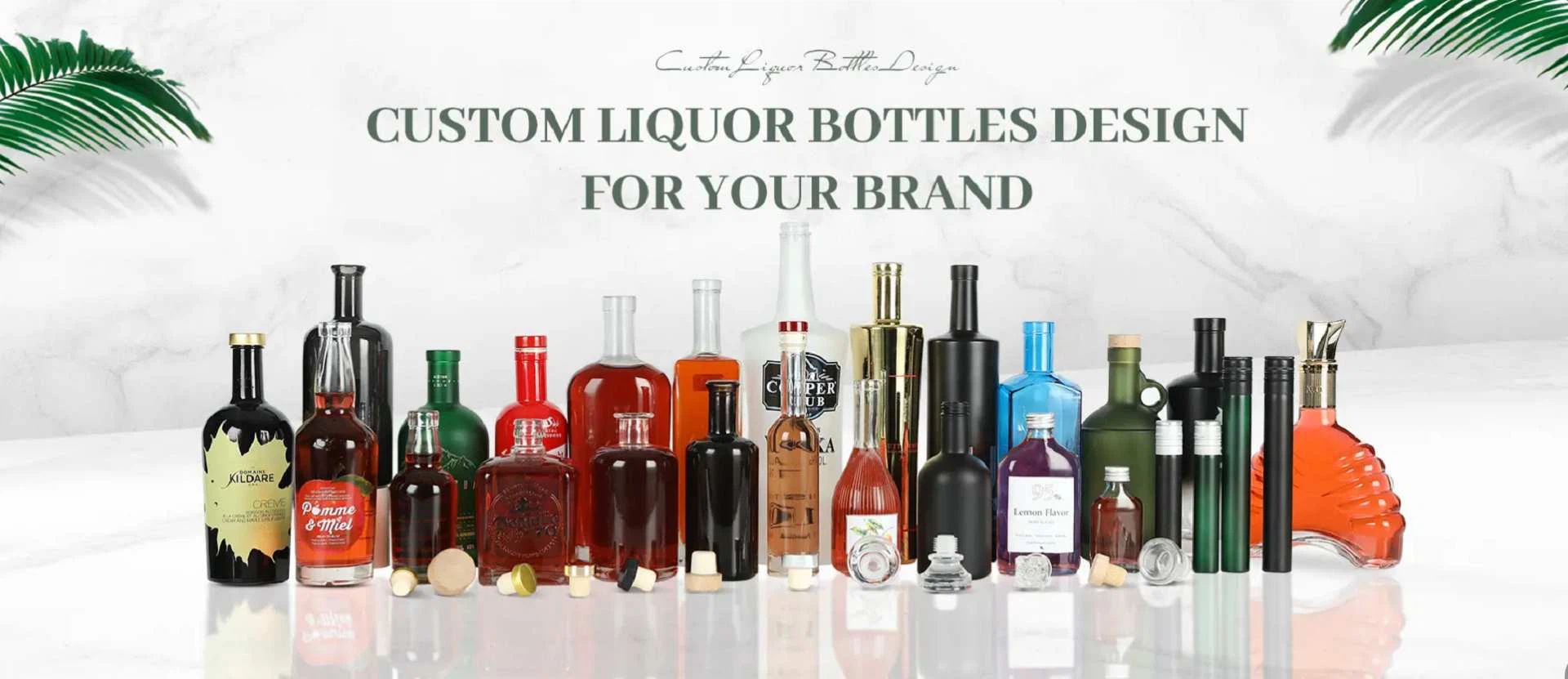
We offer customized designs to ensure our products reflect our customers' brand identity.
Competitive Price
We are a professional Personal Care Bottle manufacturer that produces high-quality products at competitive prices.
One-stop Solution
We provide personalized service to ensure our customers receive the best Personal Care Bottle products for their needs.
24H Online Service
We try and respond to all concerns within 24 hours and our teams are always at your disposal in case of any emergencies.
A glass bottle is a hard, transparent container made of glass designed to hold liquids or substances. Glass bottles can have various shapes, sizes, and designs and can be used for packaging beverages, perfumes, cosmetics, medicines, and many other products. Glass bottles are eco-friendly because they are recyclable and can be reused several times. They are also chemically inert, meaning they do not react with the substances they contain and do not impart any taste or odour to the contents.
Environmental Sustainability:
Glass bottles are 100% recyclable and can be reused almost infinitely, making them an eco-friendly alternative to single-use disposable plastic bottles.
Protects The Contents:
Glass is an inert material that doesn't react with the products inside. As a result, glass bottles protect the contents from heat, light, air, and other environmental factors that might compromise the quality and shelf life of the product.
Prevents Contamination:
Glass bottles seal tightly and prevent contamination from outside sources, ensuring that the contents remain fresh and safe for consumption.
Aesthetic Appeal:
Glass bottles have an elegant and sophisticated look that's perfect for premium products. They're also customizable, allowing businesses to print or etch their logos and branding on them.
Versatility:
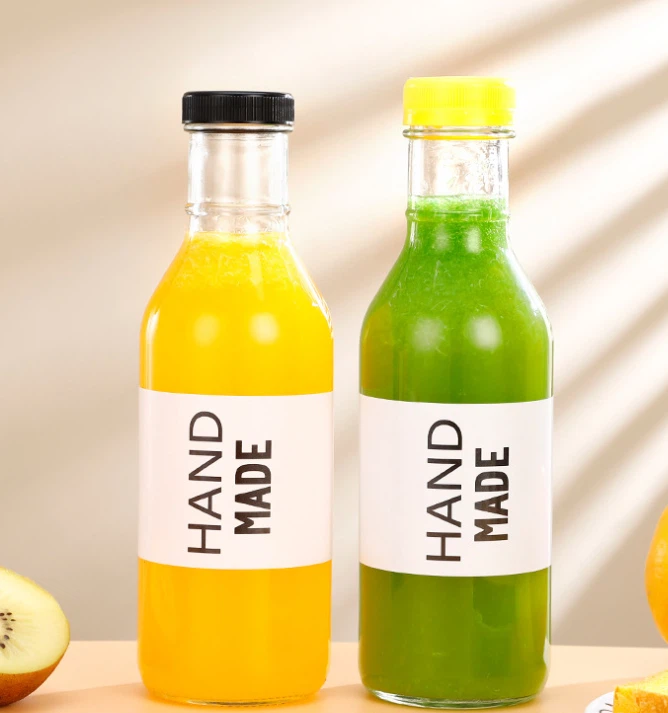
Glass bottles are versatile and can be used to hold a wide range of products, including beverages, sauces, oils, and cosmetics.
Health Benefits:
Glass is a non-toxic material that doesn't contain harmful chemicals like BPA. As a result, glass bottles are considered safer for storing and consuming food and beverages.
Durability:
Glass is a durable material that can withstand high temperatures and pressure without breaking or cracking. This makes glass bottles suitable for use in a variety of manufacturing industries.
The most commonly used material for making glass bottles is soda-lime glass. This is a type of glass that is made from a mixture of silica (sand), soda ash, and limestone. Other materials, such as borosilicate glass or tempered glass, may be used for specialized applications where extra durability or resistance to temperature changes is required.
Uses of glass bottles
Packaging
Glass bottles are primarily used for packaging liquids such as water, wine, beer, and soda.
01
Food storage
Glass bottles can be used to store food items such as oils, sauces, and condiments.
02
Decorative purposes
Glass bottles can be used as decorative items in homes, restaurants, and other establishments.
03
Pharmaceutical industry
Glass bottles are used in the pharmaceutical industry to store medicines.
04
Essences and fragrances
Glass bottles are used to store essences and fragrances, including perfumes and essential oils.
05
Brewing
Glass bottles are used in brewing to store and transport beer.
01
Juice and soda industry
Glass bottles are used in the juice and soda industry to store and transport their products.
02
Chemical industry
Glass bottles are used in the chemical industry to store and transport industrial chemicals safely.
03
Laboratory use
Glass bottles are used in laboratories to store and transport various chemicals and samples.
04
Recycling
Glass bottles can be recycled to create new glass products, reducing the environmental impact associated with the manufacturing of new bottles.
05
Key features of the Glass Bottle
Durability:
Glass bottles are durable and long-lasting, making them a great choice for storage and transportation.
Reusability:
Glass bottles can be easily cleaned and reused, making them an eco-friendly option.
Non-toxic:
Glass bottles are made of safe and inert materials, ensuring no harmful chemicals leach into your drink.
Airtight seal:
Glass bottles can be sealed tightly, keeping the contents fresh and preventing spills.
Easy to clean:
Glass bottles are easy to clean and sanitize, making them ideal for storing food and drinks safely.
Temperature resistance:
Glass bottles can withstand high temperatures, making them suitable for hot liquids like tea or coffee.
Transparency:
Glass bottles are transparent, allowing you to see the contents easily.
Versatility:
Glass bottles can be used for a variety of purposes, from storing liquids to displaying decorative items.
Stylish:
Glass bottles come in a range of colors and designs, making them a stylish choice for packaging and presentation.
Recyclable:
Glass bottles are fully recyclable, making them a sustainable and environmentally-friendly option.
Maintenance Tips for Glass Bottle

Handle with care
Store properly
Clean gently
Dry thoroughly
Check for cracks or chips
Use for intended purposes
Replace Damaged Parts
Applications of Glass Bottle
-
Beverage packaging: Glass bottles are commonly used for packaging beverages such as beer, wine, soda, juice, and milk.
-
Perfume packaging: High-end perfumes are often sold in glass bottles because of their aesthetic appeal and ability to protect the fragrance.
-
Medicine packaging: Glass bottles are also used for packaging medicines because they are inert and don’t react with the chemicals in the medicine.
-
Home decor: Old glass bottles can be repurposed as decorative items or even as unique vases.
-
Storage containers: Glass bottles with airtight lids are ideal for storing liquids such as oils, vinegar, and salad dressing.
-
Crafts: Glass bottles can be used in various crafting projects, such as creating DIY lanterns, bird feeders, and candleholders.
-
Sustainable living: Glass bottles can be reused and recycled, making them an eco-friendly alternative to plastic bottles.

Precautions for the Use of Glass Bottles
Handle with care: Since glass is brittle, it needs to be handled with care to prevent breakage. Avoid dropping or hitting glass bottles on hard surfaces.
Avoid temperature variations: The extreme temperature changes may cause the glass to expand or shrink, causing cracks or shattering. Avoid sudden temperature changes to prevent breakage.
Store upright: It is important to store glass bottles upright to prevent them from tipping over and breaking.
Check for cracks: Before using a glass bottle, check for any cracks or chips. A damaged glass bottle can break or shatter easily.
Use appropriate caps: Use appropriate caps or stoppers to seal the glass bottles. This will prevent the contents from spilling and avoid contamination.
Keep away from children and pets: Glass bottles can be dangerous if broken, so keep them out of reach of children and pets.
Wear protective gloves: When handling glass bottles with sharp edges, wear protective gloves to prevent cuts and injuries.
Avoid stacking: Do not stack glass bottles on top of each other as this can put pressure on the bottom bottles, causing them to break.
Use suitable cleaners: Use suitable cleaners for cleaning glass bottles as harsh chemicals or abrasives can damage the glass surfaces.
Dispose of properly: When disposing of glass bottles, ensure they are placed in a designated recycling container to avoid injuring sanitation workers or polluting the environment.
What Are the Common Molding Processes Used in the Production of Glass Bottles?
Artificial blowing
Artificial blowing is a traditional glass bottle forming process. It mainly involves workers blowing high-temperature molten glass into the mold, and then blowing and rotating the mold to form the desired shape. Manual blowing is characterized by high flexibility and can produce glass bottles of various shapes and sizes. At the same time, the skills and experience of the workers have a greater impact on the quality of the product.
Mechanical blowing
Mechanical blowing is a modern glass bottle forming process. It mainly blows high-temperature glass melt into the mold through a mechanical device, and then forms the required shape through the cooling and shrinkage of the mold. Mechanical blowing is characterized by high production efficiency and good product consistency. It also requires precision molds and high-tech equipment.
Press molding
Press molding is a common glass bottle forming process. It mainly pours molten glass into a mold, and then uses the action of gravity and temperature to form the required shape in the mold. Press molding is characterized by high production efficiency and good product consistency. It also requires precision molds and high-tech equipment. Press molding can produce glass bottles of various shapes and sizes, such as cylindrical, oblate, bottle caps, etc.
What Are the Main Uses of Glass Bottles?
Glass bottles are one of the ideal containers for storing food and medicine, and they will not affect the taste and quality of the items. For example, using glass bottles to store honey, jam, coffee beans and other foods can prevent oxidation and reduce the invasion of external bacteria. Likewise, storing medicines in glass bottles can better maintain their potency.
In the kitchen, glass bottles are also a good container for storing spices and powders. Things like salt, sugar, pepper and flour are often placed in glass bottles for easier access, while also keeping them dry and avoiding moisture absorption.
Glass bottles are often used to store cosmetics, they can maintain the freshness and effectiveness of the products. Cream products and liquid products such as oil and water maintain their quality because they are not affected by air pollution, oxidation, etc.
Glass bottles can also be used as decorations. Spread a few glass bottles on a bookshelf or table and add some flowers or green plants inside to create a small garden that will add a fresh flavor to your space. In addition, glass bottles can also be used for DIY crafts, such as making candy jars, candle holders, and even bedroom lamps.
Glass bottles are one of the common packaging containers and can be used to package various foods, medicines, cosmetics and other products. Because glass bottles have high thermal and chemical stability and can withstand higher temperatures, they can ensure the quality and safety of the packaged contents.
How to Determine the Size of Glass Bottles?
The size of the glass bottle can be determined according to actual needs and uses. Generally speaking, the size of glass bottles involves diameter, height, volume, weight and other aspects.
When determining the size of the glass bottle, you need to consider the characteristics of the product, such as liquid, solid, powder, etc., as well as the required capacity and display effect. In addition, production processes and transportation constraints must be considered to ensure that glass bottles are easily manufactured and shipped.
Commonly used glass bottle sizes include standard sizes and non-standard sizes. Standard size glass bottles are mainly used for packaging food, medicine, etc. to facilitate large-scale production and sales. Non-standard size glass bottles are customized according to specific needs and can meet special purposes and personalized needs.
When determining the size of your glass bottle, you also need to pay attention to the following points:
1. Ensure that the filling capacity is sufficient and avoid overfilling or underfilling.
2. Consider the holding comfort and display effect of glass bottles to facilitate consumers' use and identification.
3. Pay attention to the height and diameter ratio of the glass bottle to get the right look.
4. Ensure that the production process and transportation restrictions of glass bottles comply with relevant standards and regulations.
What Issues Should Be Paid Attention to When Packaging Glass Bottles?
Label identification
The correct label identification must be marked on the packaging of glass bottles, including product name, specification model, quantity, unit, production date, expiration date, quality, etc. Prominence and accuracy of labeling can increase product recognition and enhance credibility.
Shockproof and moisture-proof
For glass bottles that require long-distance transportation or long-term storage, shock-proof materials, such as foam plastics or bubble wrap, need to be added to the packaging box to prevent the glass bottles from being shaken or collided during transportation or storage. At the same time, pay attention to moisture-proofing, maintain the sealing of the packaging, and prevent the glass bottles from getting damp.
Size specifications
Packaging size specifications must be designed according to the size and shape of the product. Packing size that is too large or too small will have a negative impact on the safety and transportation of the product. The size of the glass products should ensure the sealing performance, and the packaging cost should also be considered to avoid excessive packaging that leads to increased costs.
Leak-proof measures
For glass bottles containing liquids, leak-proof measures need to be taken at the mouth of the bottle, such as using aluminum foil or plastic film for sealing. At the same time, words such as "Be careful with liquids" should also be marked on the outside of the packaging box to remind transportation personnel to pay attention.
Safety
Packaging materials should have a certain strength and stability and be able to withstand a certain amount of pressure and impact to ensure the safety of glass bottles during transportation and storage. At the same time, packaging materials should also comply with relevant environmental protection standards and be recyclable.
How Environmentally Friendly Are Glass Bottles?
Glass is made of natural minerals treated at high temperatures. Its composition is relatively stable and will not cause excessive pollution to the environment. Moreover, glass bottles can be reused multiple times, effectively reducing the need for new packaging materials and the generation of waste.
Glass bottles also perform better when it comes to recycling. Glass bottles can be reused after cleaning and processing, which not only saves resources but also helps reduce waste generation. In addition, some glass bottles also use degradable materials during the production process, further improving their environmental protection.
The environmental friendliness of glass bottles also depends on their production and treatment processes. If too much energy and raw materials are used in the production process of glass bottles, or if they are not properly handled during recycling, it may have a certain impact on the environment. Therefore, when producing and using glass bottles, attention should be paid to issues such as energy conservation, emission reduction, and consumption reduction, and to improve its environmental protection as much as possible.
Our Factory

Aohui Packaging Products Co., Ltd. is specialized in designing, manufacturing environmental packaging glass bottles and glass containers, the variety of products can meet different needs of customers, like liquor bottle, custom whiskey bottle, personal care bottle, essential oil bottle, medicinal bottles, cosmetic bottle, glass jars, different caps etc.
We have served many customers from US, Canada, United Arab Emirates, Norway, Czech, Hawaii etc and have cooperated for years.
The advantage of our group work is we can meet clients’ needs to the greatest extent, because we not only have our own production lines, also combine different color of production lines to save customers’ searching time, and are able to supply one stop service, door to door service.
We believe our professional experience on production, design, quality control and after processing like frosting, printing, will provide professional packaging solutions and support win-win long term business partnership.
FAQ
Q: How many times can you use a glass bottle?
Q: What should I look for in a glass bottle?
Q: What do the numbers on glass bottles mean?
Q: How long do glass bottles last?
Q: Are blue or amber glass bottles better?
Q: What are the pros and cons of glass bottles?
Q: How can you tell what year a glass bottle is?
Q: How can you tell how old glass is?
Q: Why are old glass bottles blue?
Q: Why are glass bottles expensive?
Q: What are the dots on the bottom of glass bottles?
Q: Why are old glass bottles green?
Q: What are the most common glass bottles?
Q: How much does it cost to produce glass bottles?
Q: What are the blisters in the glass bottle?
Q: Why do glass bottles have dimples?
Q: Why do glass bottles taste better?
Q: Do glass bottles expire?
Q: What glass bottles are not recyclable?
Q: Why are the bottom of glass bottles ribbed?
We're well-known as one of the leading glass bottle manufacturers in China, also support custom service. Please feel free to wholesale customized glass bottle at competitive price from our factory. Welcome to view our website for more information.
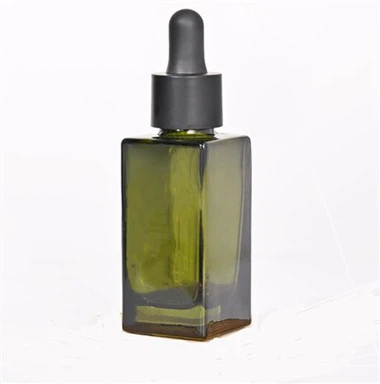
glass bottle, Square Oil Dropper Bottle