

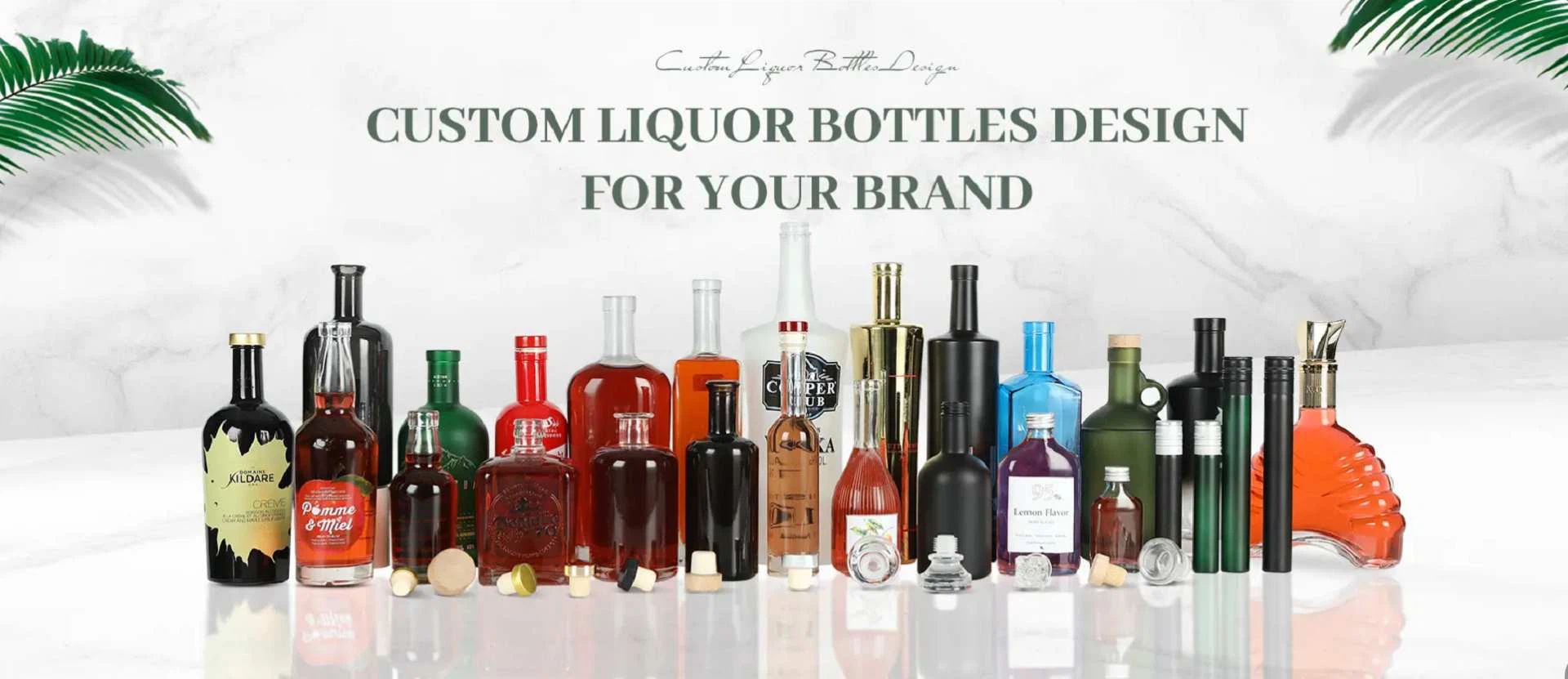


The Food Jar manufacture!
Aohui Packaging Products Co., Ltd. is specialized in designing, manufacturing environmental packaging glass bottles and glass containers, the variety of products can meet different needs of customers, like liquor bottle, custom whiskey bottle, personal care bottle, essential oil bottle, medicinal bottles, cosmetic bottle, glass jars, different caps etc.


Why choose us
Quality Assurance
We adhere to stringent quality control measures at every stage of the manufacturing process to ensure that our glass bottles in meet the highest standards.
Professional Team
We believe our professional experience on production, design, quality control and after processing like frosting, printing, will provide professional packaging solutions and support win-win long term business partnership.
After -Sales
Aohui Packaging Products Co., Ltd. is specialized in designing, manufacturing environmental packaging glass bottles and glass containers, the variety of products can meet different needs of customers, and are able to supply one stop service, door to door service.
Tips for selecting the size and shape of food containers
Quantity of product to be packaged :
The size of the package should be adapted to the quantity of product to be packaged. Too little capacity may disappoint consumers, while too much capacity may lead to waste and increased production costs. Caution! Food that has been packaged hot may take up less space when cooled.
Consumer preferences :
It is essential to study consumer expectations and needs to determine the most appropriate pack size. Market research can provide valuable information on customer preferences for capacity and convenience.
Production constraints :
The manufacturing and packaging processes may impose limitations on the size of the packaging. It is important to take these constraints into account when selecting a jar.
Logistical and storage constraints :
The size of packaging also influences the costs and complexity of logistics operations. Smaller, stackable packages optimise storage space and facilitate transport, which can lead to savings in logistics costs.
The Practical and Aesthetic Advantages of Glass Jars
The Visual Appeal of Glass in the Kitchen
In addition to their practicality, glass jars offer aesthetic value. With their clean and elegant appearance, they complement any kitchen or pantry. Whether stored on a shelf, in a cabinet, or on the countertop, glass jars bring a sense of order and organization to your kitchen. This visual appeal can also contribute to the psychological satisfaction of having a neat and tidy space, making it easier to maintain a well-organized kitchen.
Ideal for Storing Various Food Items
Glass jars are incredibly versatile, making them suitable for storing a wide range of food items. They are perfect for dry goods such as rice, beans, and pasta, as well as perishable items like jams, sauces, and pickles. Glass jars come in various shapes and sizes, making them adaptable to different storage needs. Whether you’re storing bulk ingredients or small batches of homemade preserves, glass jars provide a reliable solution.
Freezer-Friendly and Built to Last
Unlike plastic containers, which can crack or deform in freezing temperatures, glass jars remain intact in the freezer. This makes them ideal for storing frozen fruits, soups, sauces, and even frozen snacks. Glass jars offer the added benefit of not absorbing food odors or stains, ensuring that your food stays fresh and free from unwanted flavors.
To make your glass packaging, silica sand, soda ash, limestone and cullet are poured into furnaces heated to a temperature of 1500°C to create molten glass. After the melting phase, the glass is not homogeneous and contains many gas bubbles. In order to remove these inclusions, the glass is refined, i.e. heated to a higher temperature and then to a temperature of 1250°C for perfect glass viscosity. The liquid glass is then fed into channels that transport the glass at the perfect temperature and viscosity to moulding machines to form the final package. A pre-defined amount of glass in the form of a drop, called a parison, is poured into a blank mould and then a finishing mould. This drop of glass can undergo two types of processes: Press-blow or blow-blow.
The press-blow technique consists of pressing the drop of glass with a piston to create a blank, then a jet of air is injected into the preform obtained previously to give the product its final shape. This technique is preferred for the manufacture of jars and jars. The second technique is blow moulding, where the drop is compressed and then pierced. A first blowing then allows to obtain the preform and to form the neck. Another blast of air is injected to give the package its final shape in the finishing mould. This process is preferred for the manufacture of bottles.
The annealing phase is necessary. The moulded products are heated and gradually cooled in a firing arc to a temperature of approximately 570°C to strengthen the glass. This eliminates stresses and improves its mechanical strength. The manufactured glass containers are then subjected to the necessary quality controls to guarantee the volume, neck dimensions, glass thickness, etc. Products that do not pass the quality control are completely reused as raw material and remelted.
Your glass containers are grouped and packed to ensure their protection, thus allowing the storage and transport of your products. The furnaces are in operation 24 hours a day, 7 days a week, 365 days a year.

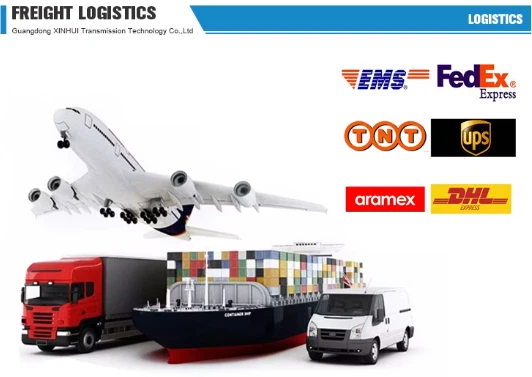
Packaging & Shipping
FAQ
We're well-known as one of the leading food jar manufacturers in China, also support custom service. Please feel free to wholesale customized food jar at competitive price from our factory. Welcome to view our website for more information.